
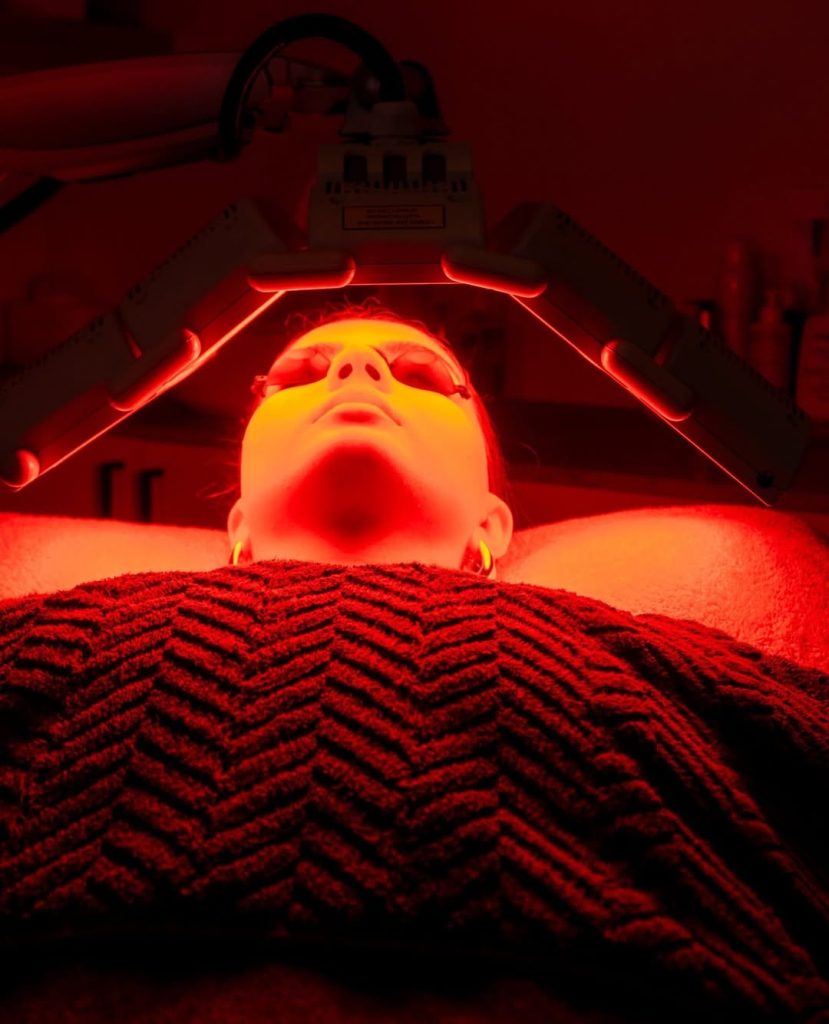
Red Light Therapy Guide: Top Tips For Success
Red light therapy, also known as photobiomodulation, is a non-invasive treatment that uses red low-level wavelengths of light to promote tissue healing, reduce inflammation, and improve skin complexion. This therapeutic technique has gained popularity in recent years for its wide range of health benefits and minimal side effects.
From speeding up wound healing to reducing joint pain and even improving mental clarity, red light therapy has been used to treat a variety of conditions. This article will explore the science behind red light therapy, its potential health benefits, and how this innovative treatment is revolutionizing the field of alternative medicine.
Understanding the Science Behind Red Light Therapy
Red light therapy works by stimulating the production of adenosine triphosphate (ATP) in mitochondria, which helps cells function more efficiently and repair damage. This increased ATP production leads to accelerated healing of tissues, making it an effective treatment for wounds, injuries, and even chronic conditions. Additionally, red light therapy has been found to reduce inflammation by inhibiting pro-inflammatory cytokines and promoting anti-inflammatory pathways within the body. The ability of red light therapy to target inflammation at a cellular level makes it a valuable tool in managing various inflammatory conditions.
Red Light Therapy For Performance
From speeding up wound healing to reducing joint pain and even improving mental clarity, red light therapy has been used to treat a variety of conditions. This innovative treatment has also shown promise in enhancing athletic Red Light Therapy For Performance by improving muscle recovery and reducing exercise-induced muscle fatigue. By stimulating mitochondrial function and promoting cellular repair, red light therapy can help athletes recover faster from intense training sessions and competitions. Incorporating red light therapy into a performance recovery routine can optimize physical performance and overall well-being for athletes of all levels.
In conclusion, red light therapy has shown tremendous potential in promoting tissue healing, reducing inflammation, and improving overall health and well-being. By targeting cellular mechanisms and stimulating ATP production, red light therapy can effectively treat a wide range of conditions from wounds to chronic inflammatory diseases. Additionally, the ability of red light therapy to enhance athletic performance by improving muscle recovery and reducing fatigue makes it a valuable tool for athletes looking to optimize their training regimen. With its minimal side effects and numerous health benefits, red light therapy is revolutionizing the field of alternative medicine and providing individuals with a safe and effective treatment option for various health concerns.