
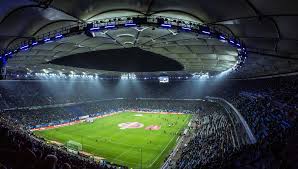
Best Innovations In Sports Infrastructure For 2023
In recent years, the landscape of sports infrastructure has undergone a transformative evolution, reflecting the growing demand for modern facilities that cater to both athletes and fans alike. From state-of-the-art stadiums to community sports complexes, the emphasis on creating versatile spaces has become paramount. As cities strive to host major sporting events and foster local engagement, the focus on innovative design, sustainability, and accessibility is paramount in shaping the future of sports infrastructure.
This article explores the latest trends and developments in sports infrastructure, highlighting key projects and initiatives around the globe. We delve into how urban planning, technological advancements, and community involvement are driving the creation of facilities that not only enhance the sporting experience but also promote health, wellness, and inclusivity. Join us as we examine the pivotal role that sports infrastructure plays in shaping communities and inspiring the next generation of athletes.
Innovative Design Trends in Sports Facilities
One of the most significant trends in sports infrastructure is the integration of innovative design concepts that prioritize functionality and fan engagement. Facilities are now being developed with multi-purpose uses in mind, enabling them to host a variety of events beyond just sporting competitions. This versatility not only maximizes the potential use of resources but also fosters community interaction, making these venues integral parts of the urban landscape. Architectural advancements, such as retractable roofs and modular seating, also contribute to enhancing the spectator experience, allowing for a seamless transformation from a football game to a concert. For the latest on cutting-edge developments and successful projects, visit Sports Infrastructure News, a hub for information driving conversations in this dynamic field.
Sustainability and Accessibility in Sports Infrastructure
Sustainability has become a cornerstone of modern sports infrastructure, with eco-friendly materials and practices taking center stage in design and construction processes. Facilities are increasingly incorporating renewable energy sources, efficient water management systems, and sustainable landscaping to reduce their environmental impact. Additionally, accessibility for all fans is gaining importance, reflecting a commitment to inclusivity. This includes designing venues with wheelchair access, sensory-friendly spaces for neurodivergent individuals, and family-friendly amenities. As cities prioritize these aspects, they not only enhance the sporting experience but also contribute to the well-being of their communities, creating a legacy that extends beyond the confines of the stadium.
In conclusion, the evolution of sports infrastructure is a testament to the changing values and priorities of our society, focusing on sustainability, inclusivity, and community engagement. As cities continue to invest in these multifunctional venues, they not only cater to the immediate needs of athletes and fans but also create lasting legacies that uplift local communities and promote public health. The integration of advanced technologies and innovative design ensures that these facilities are equipped to adapt to a variety of sporting and cultural events, fostering a sense of belonging and pride among residents. Looking ahead, the collaborative efforts among architects, planners, and community stakeholders will be crucial in ensuring that sports infrastructure remains a dynamic and welcoming space for all, inspiring the next generation of athletes while enhancing the cultural fabric of our communities.